
182 products








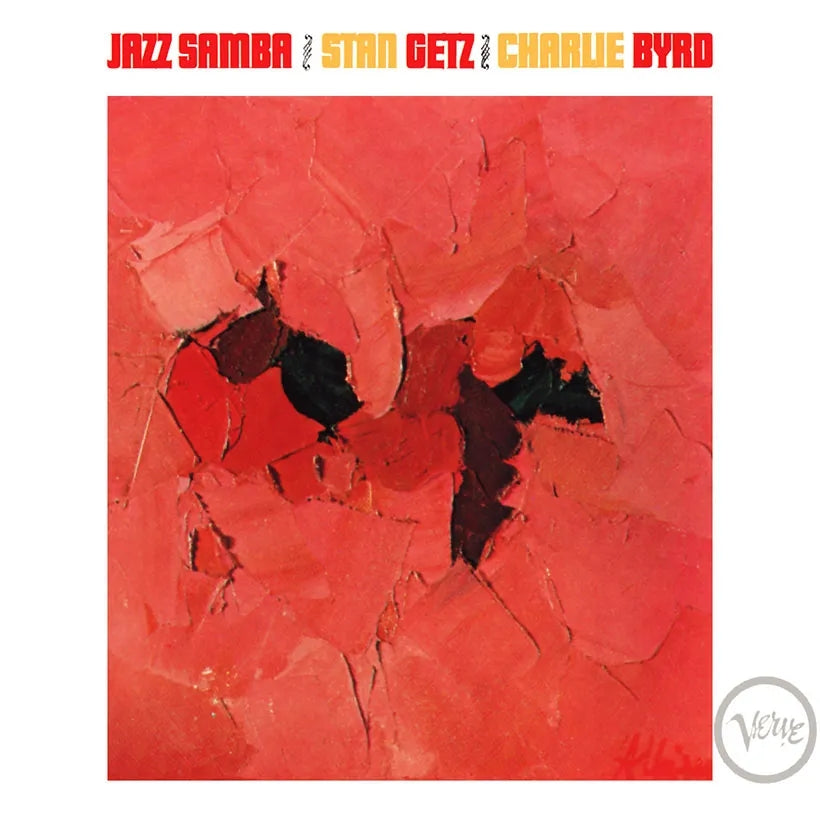
Second only to Kind of Blue by Miles and Jazz Samba by Stan Getz, as the most commercially successful jazz record of all time (it even contained a single for the pop charts, Paul Desmond's magnificent Take Five'), Brubeck brilliantly popularised jazz and offered it as a palatable alternative to Bobby Vee

Universally regarded as one of the greatest collaborations between the two most influential musicians in modern jazz (Miles Davis notwithstanding), the Jazzland sessions from Thelonious Monk and John Coltrane should be recognized on other levels. While the mastery of the principals is beyond reproach, credit should also be given to peerless bassist Wilbur Ware, as mighty an anchor as anyone could want. These 1957 dates also sport a variety in drummerless trio, quartet, septet, or solo piano settings, all emphasizing the compelling and quirky compositions of Monk.

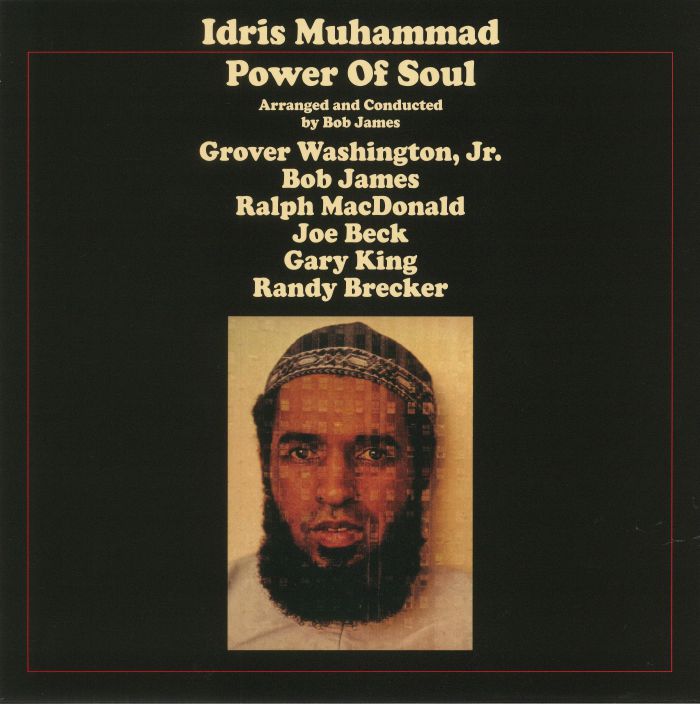
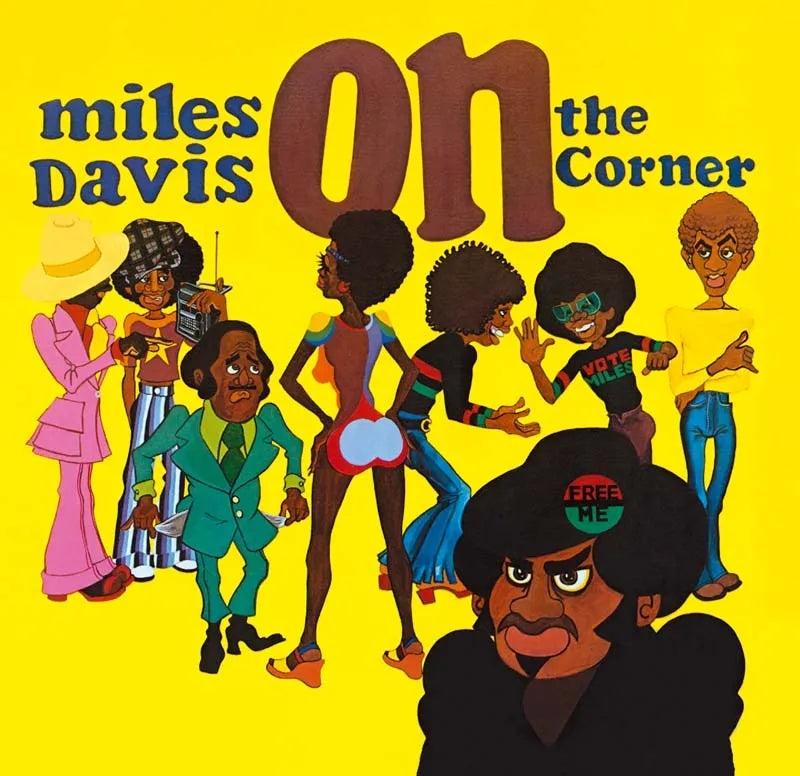


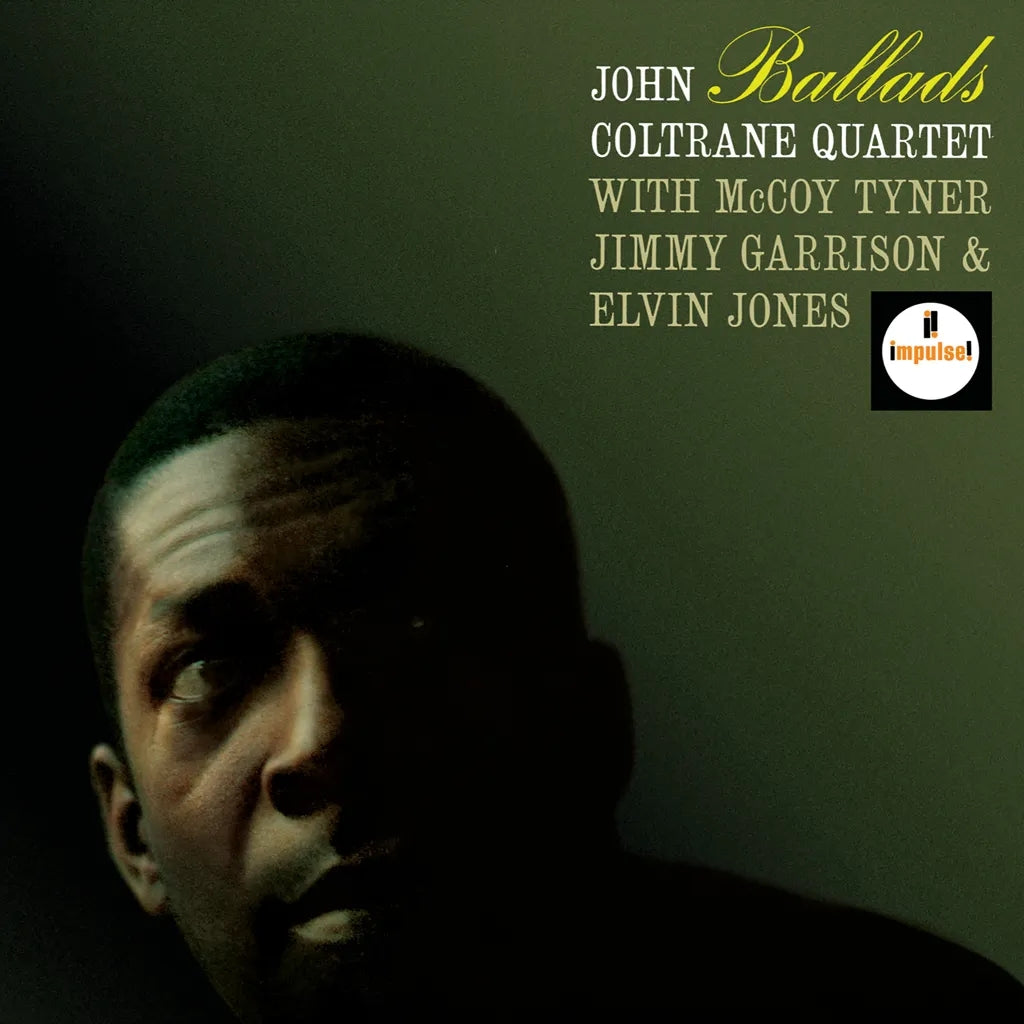


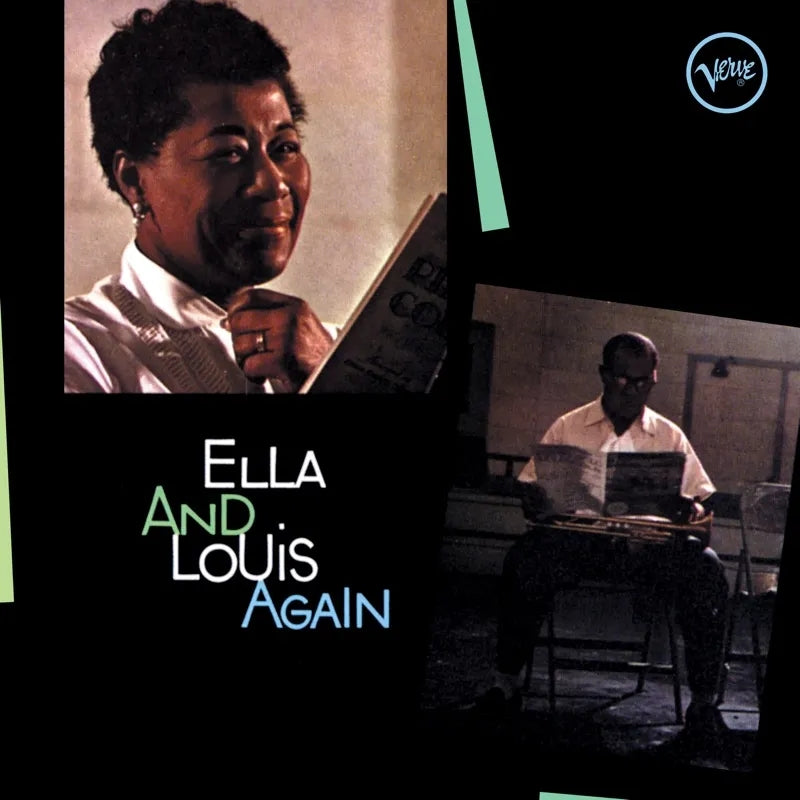
Ella and Louis is a studio album by Ella Fitzgerald and Louis Armstrong, accompanied by the Oscar Peterson Quartet, released in October 1956. Having previously collaborated in the late 1940s for the Decca label, this was the first of three albums that Fitzgerald and Armstrong were to record together for Verve Records, later followed by 1957's Ella and Louis Again and 1959's Porgy and Bess.


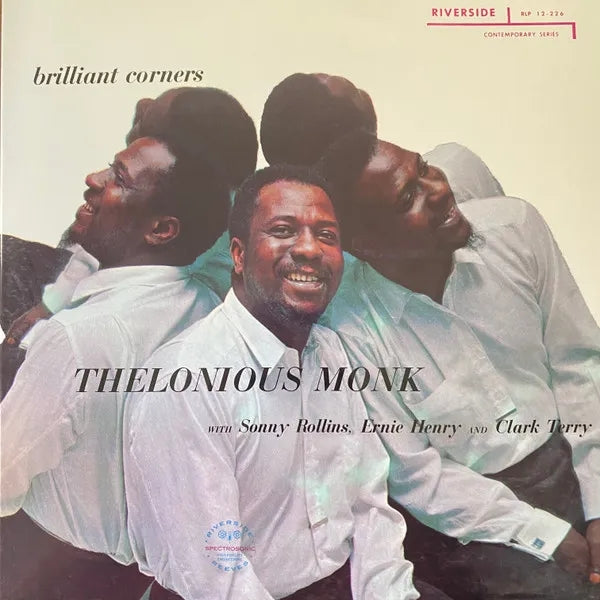
"This important album, Monk's first after a long absence from the recording studio, is a stunning reaffirmation of his power as a performer and composer. It is a brilliant and absorbing program of five Monk originals and three standards (and they might just as well be originals, so startling is their transformation at his hands). This is a beautiful album in every respect." - Pete Welding, DownBeat Magazine


As Late Night Tales moves into a new decade, the long awaited chapter from The Cinematic Orchestra greets us with style. Following editions from behemoths of rock Arctic Monkeys and Snow Patrol, The Cinematic Orchestra’s selection sees a return to a more typical Late Night compiler. Their association with the series reaches back to the inclusion of ‘Channel 1 Suite’ from their debut album ‘Motion’ on Zero7’s memorable 2002 compilation. With track selection and order seeing many revisions since the inception of the project, we arrive with one of the most defined Late Night Tales yet to come in the series 10 year history.


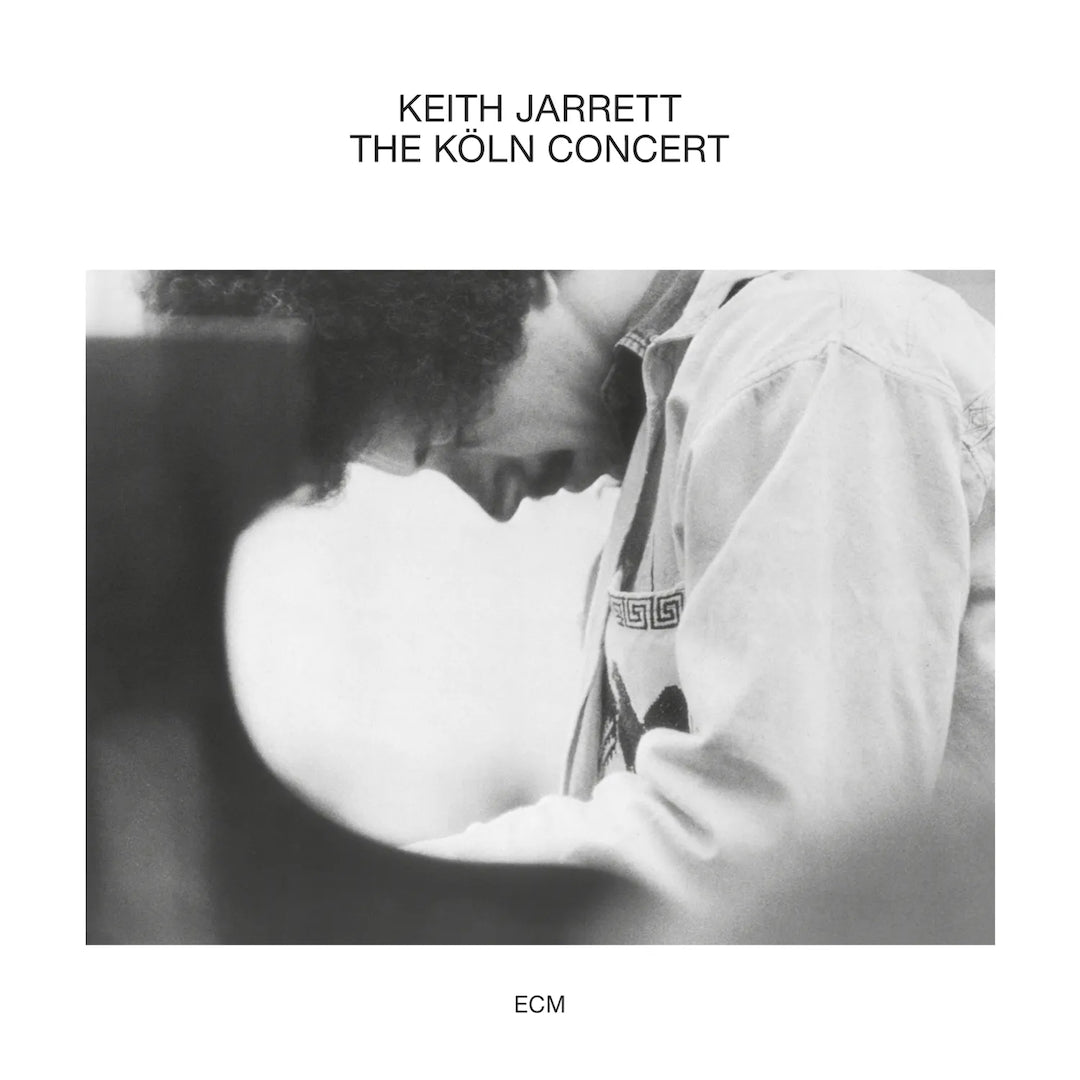
Recorded in 1975 at the Köln Opera House and released the same year, nothing on this program was considered before he sat down to play. All of the gestures, intricate droning harmonies, skittering and shimmering melodic lines, and whoops and sighs from the man are spontaneous. Although it was one continuous concert, the piece is divided into four sections, largely because it had to be divided for double LP. But from the moment Jarrett blushes his opening chords and begins meditating on harmonic invention, melodic figure construction, glissando combinations, and occasional ostinato phrasing, music changed. For some listeners it changed forever in that moment. For others it was a momentary flush of excitement, but it was change, something so sorely needed and begged for by the record-buying public. Jarrett's intimate meditation on the inner workings of not only his pianism, but also the instrument itself and the nature of sound and how it stacks up against silence, involved listeners in its search for beauty, truth, and meaning. The concert swings with liberation from cynicism or the need to prove anything to anyone ever again. With this album, Jarrett put himself in his own league, and you can feel the inspiration coming off him in waves. This may have been the album every stoner wanted in his collection "because the chicks dug it." Yet it speaks volumes about a musician and a music that opened up the world of jazz to so many who had been excluded, and offered the possibility -- if only briefly -- of a cultural, aesthetic optimism, no matter how brief that interval actually was. This is a true and lasting masterpiece of melodic, spontaneous composition and improvisation that set the standard.

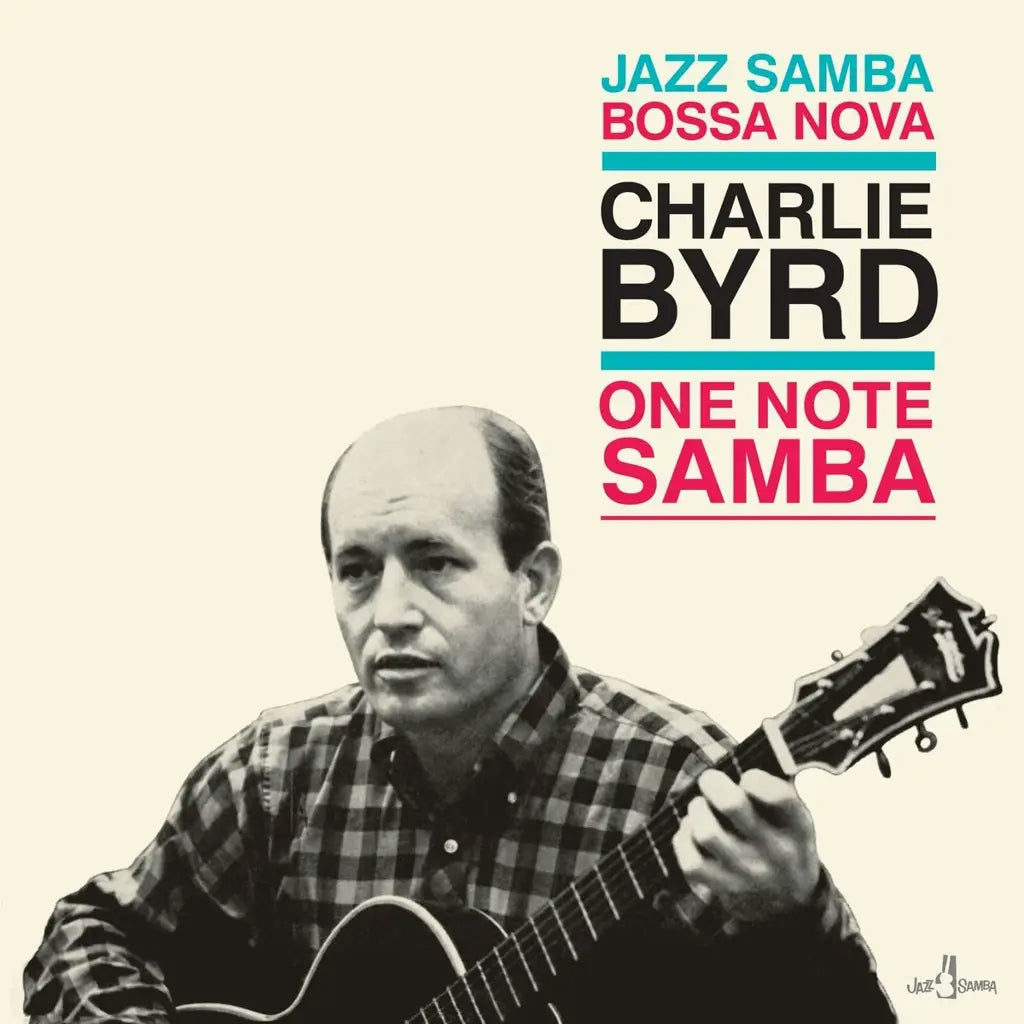
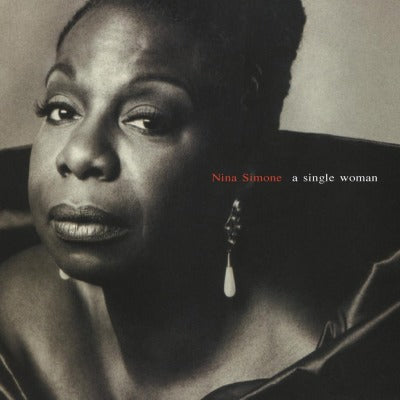


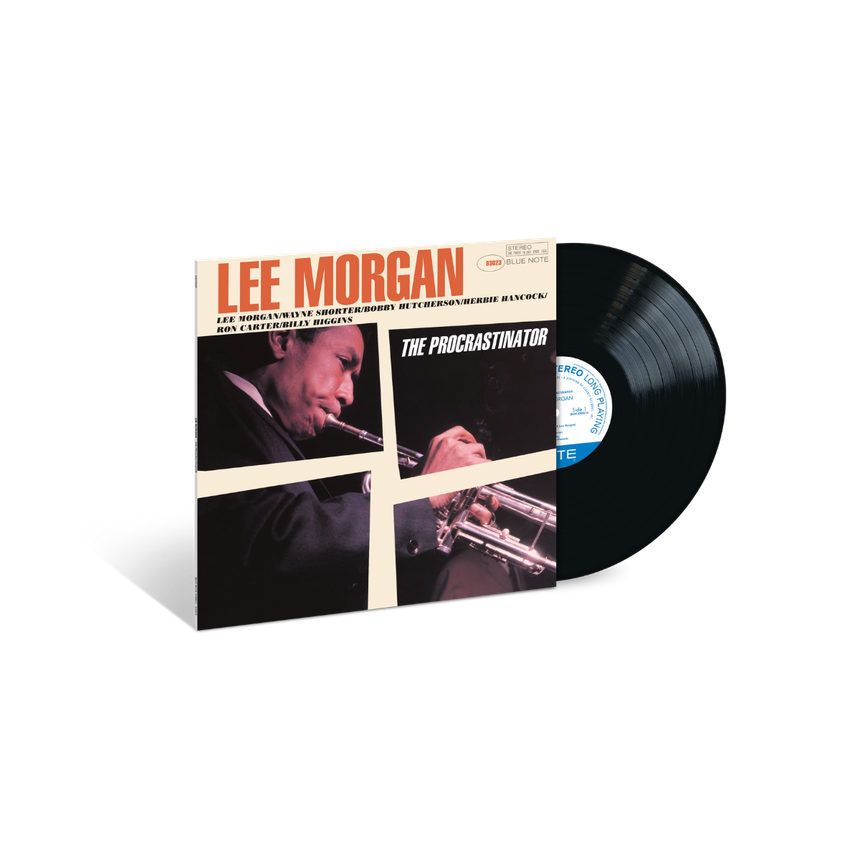


The complete classic album + 2 bonus tracks - limited edition 180g audiophile pressing. Recorded at Capitol Studios in Los Angeles in August 1954, this was the first Emarcy recording of the legendary Clifford Brown & Max Roach Quintet featuring the great Harold Land on tenor sax, Richie Powell on piano and George Morrow on bass.


A few years after recording Straight, No Chaser, Thelonious Monk disappeared from the public eye. But as the years passed, more people became aware of the seminal role he played in the development in jazz as both pianist and composer, creating a standard of excellence that many musicians after him aspire to.



One of the few albums cut by singer Vi Velasco - and a great vocal follow-up to the Zoot Sims bossa albums.
Zoot plays tenor on this record too -- mixing his solos with Vi's vocals in a style that's rather like the interplay between Stan Getz and Astrud Gilberto -- with a similar blend of America...