
Blue Note
Established in 1939 by Alfred Lion and Max Margulis, Blue Note is an encompassing label which spans the evolution of Jazz from Early Jazz through to Bebop, Hard Bop, Post-Bop, Soul Jazz, Avant-Garde, Fusion & into the vibrant sounds of now.
39 products



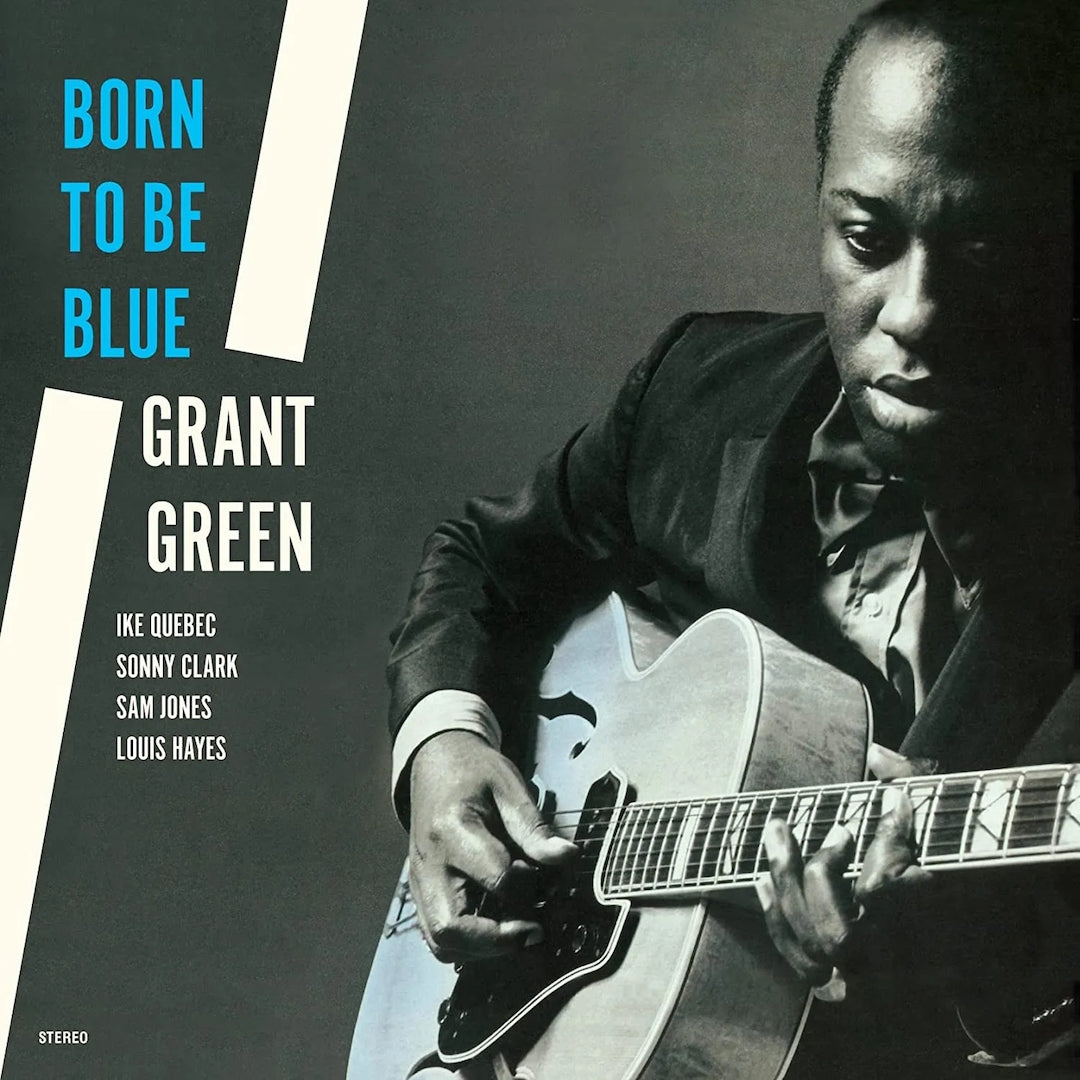

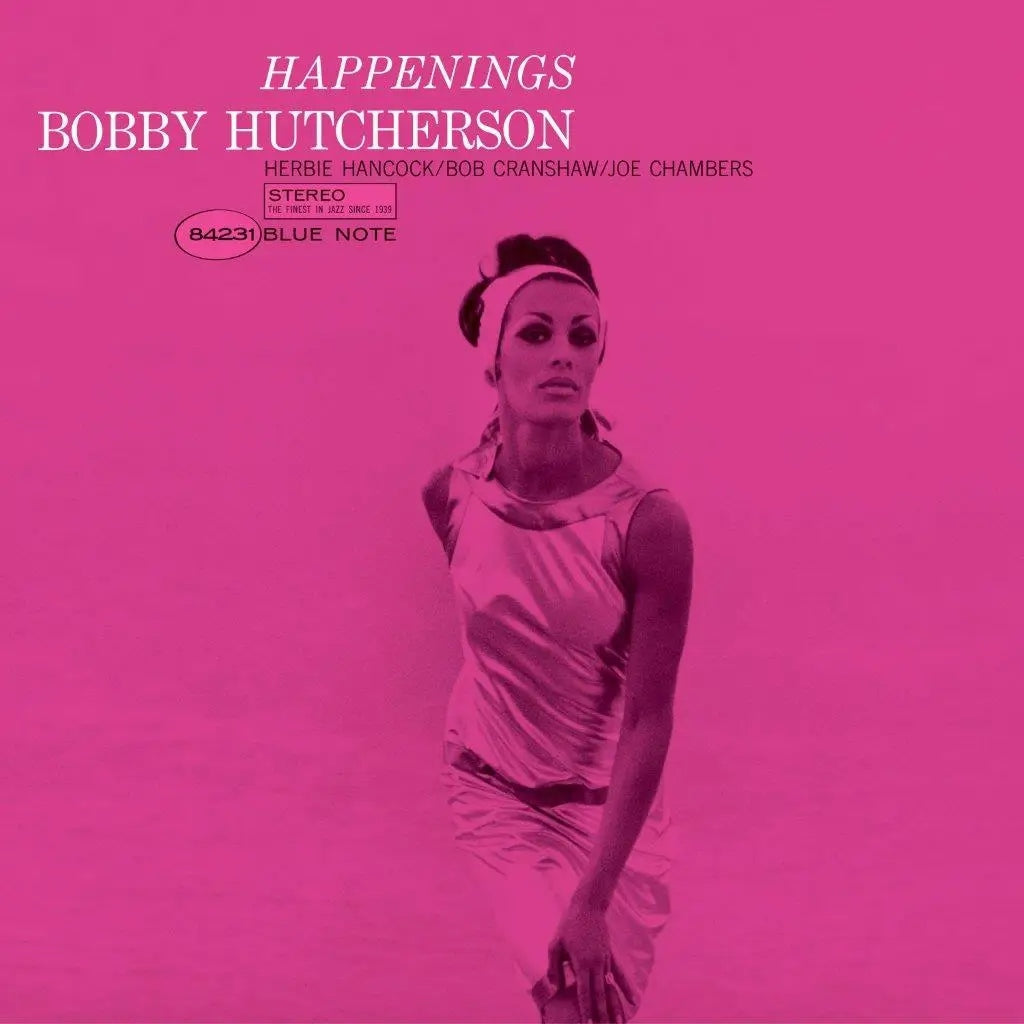
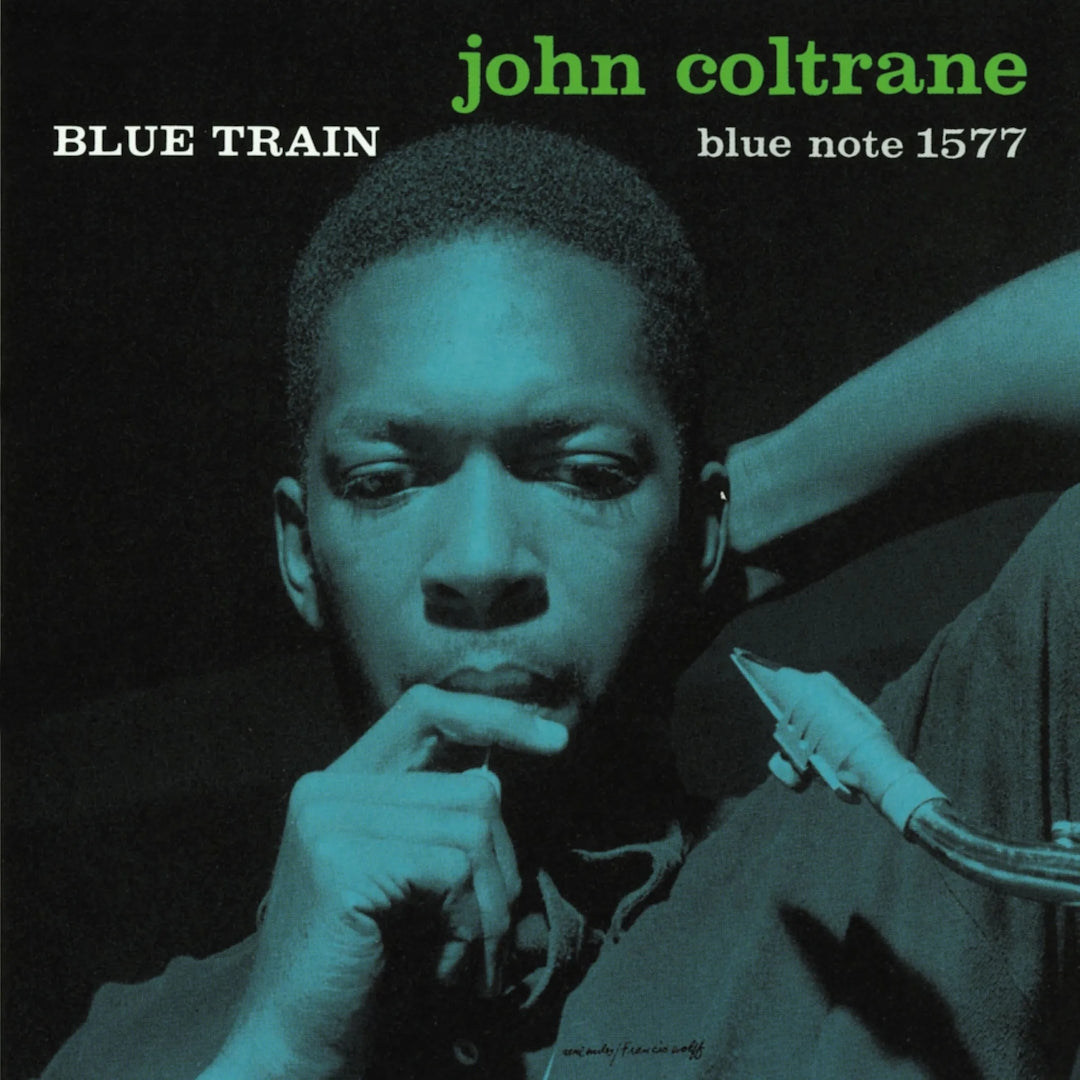



Hammond B3 organist Freddie Roach began a run of Blue Note leader dates with his excellent 1962 debut Down To Earth. The deeply soulful set was a showcase of his nuanced, bluesy sound and thoroughly enjoyable original tunes like “Althea Soon” that were ideal vehicles for this swinging band with Percy France, Kenny Burrell, and Clarence Johnston. This Blue Note Classic Vinyl Edition is stereo, all-analog, mastered by Kevin Gray from the original master tapes, and pressed on 180g vinyl at Optimal.


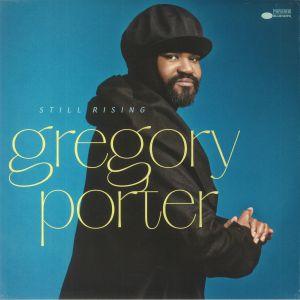
Gregory Porter’s new release Still Rising, due out November 5, is an exquisite collection of musical delights. The first disc includes four brand-new tracks, two new arrangements, three new covers, and nine of Porter’s most loved Blue Note tracks. The second disc features notable duets including songs with Moby, Jamie Cullum, Jeff Goldblum, Renée Fleming, Dianne Reeves, Lalah Hathaway, Laura Mvula, Lizz Wright, and others. The new song and first single from the album “Dry Bones,” written and produced by Troy Miller (Diana Ross, Rag’n’Bone Man, Emeli Sandé), is available to stream or download today.

The trio of guitarist Grant Green, organist Larry Young, and drummer Elvin Jones had aspecial alchemy from the first time they got together on 1964’s Talkin’ About. Two months later they returned to the studio with the addition of Bobby Hutcherson on vibraphone for the sublime outing Street Of Dreams, a four-song set imbued with atmospheric elegance.

One of Blue Note's greatest mainstream hard bop dates, Song for My Father is Horace Silver's signature LP and the peak of a discography already studded with classics. Silver was always a master at balancing jumping rhythms with complex harmonies for a unique blend of earthiness and sophistication, and Song for My Father has perhaps the most sophisticated air of all his albums


Dexter Gordon’s second Blue Note album Dexter Calling… recorded in 1961 solidified the tenor saxophonist’s career rebirth with a joyous return to form. Dexter holds forth at the helm of a quartet with Kenny Drew, Paul Chambers, and Philly Joe Jones moving nimbly from hard-charging swing to stunning balladry.


Wayne Shorter had already set a high bar over the course of his first several Blue Note albums, which included all-time jazz classics including Night Dreamer, JuJu, and Speak No Evil, but 1966’s Adam’s Apple featuring Herbie Hancock on piano, Reggie Workman on bass, and Joe Chambers on drums immediately joined the ranks of the saxophonist’s greatest recordings and remains a pinnacle artistic statement of Blue Note’s fertile post-bop era