
260 products


Six new tracks from Detroit's deep house hero Theo Parrish mark his most significant release since the Wuddadji album three years ago, based around the 18 minute dancefloor epic 'Dance Alone' and the Afro-slanted 'Cleo's Theme', closing in on 11 minutes, alongside a host of other cuts of varying sizes and types.



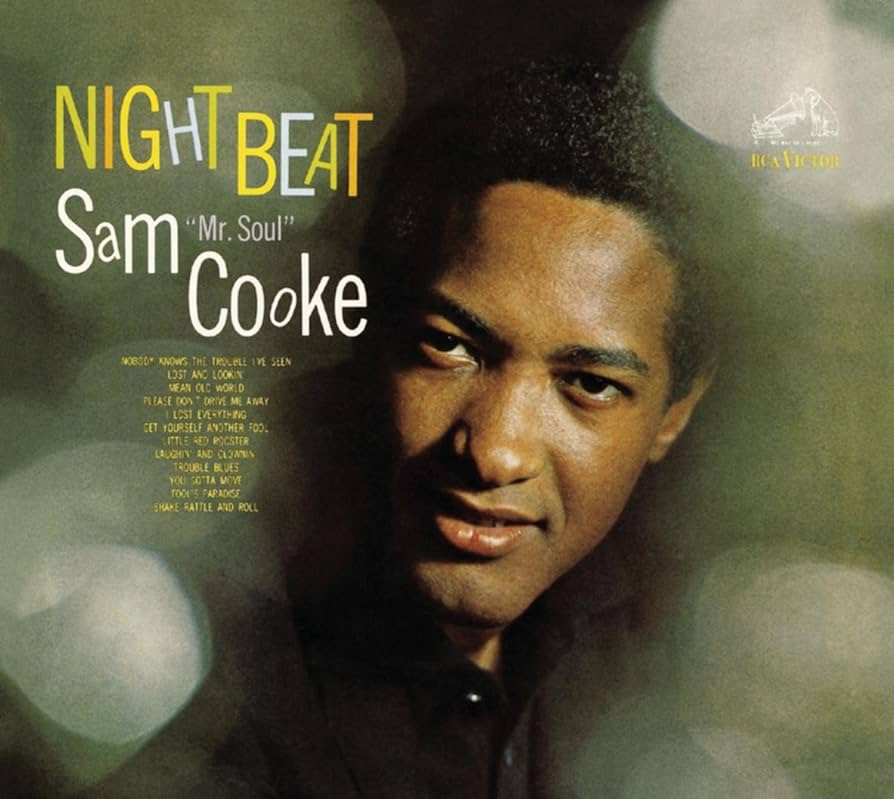
In 1963, Sam Cooke, the true inventor and King of Soul, recorded the album Night Beat, which was bluesier and moodier than anything we had heard from Cooke before. If Sam Cooke had lived longer, we might have had more music of this rare quality.
As it stands, we must make do with the treasures he left behind
PROMISE is the latest album from Brooklyn-based producer Ibe Soliman, aka Bad Colours. Known for his blend of house, proto-techno, rap, and soul, Bad Colours delivers a dynamic, emotionally resonant record. Driven by hypnotic rhythms and personal storytelling, PROMISE explores themes of vulnerability, desire, and transformation. It's a versatile album designed for both dancefloors and introspective listening.

Originally released in 2008, Manifesto was a defining moment in their journey, pushing their Afrobeat sound to new heights. Blending majestic brass, overheated organs, hypnotic basslines, and polyrhythmic percussion with a touch of spiritual jazz and tropical funk, the album channels the traditions of ancient folk storytelling and a deep-rooted sense of humanity.
"We wrote the songs on Manifesto almost 20 years ago, yet the themes covered on the album seem more relevant than ever: abuses of power, disinformation, war profiteering, plutocracy, and class struggle still fill the news cycle today. But what stands out most upon listening again is a feeling of hope and resistance. There's a sense of defiance in every horn stab, organ riff, and percussion hit," said Pierre Chrétien of The Souljazz Orchestra. "There's a new war going on, people got to keep on keepin' on," as heard in the lyrics of People, People.
Whether you're a longtime fan or new to their music, Manifesto truly stands the test of time. It continues to reveal new elements, with tracks that still feel fresh today and are beloved as timeless classics. This long-overdue reissue finally brings it back, with 500 limited copies pressed on translucent orange vinyl for fans and collectors alike. Get ready to experience the power of this album like never before.





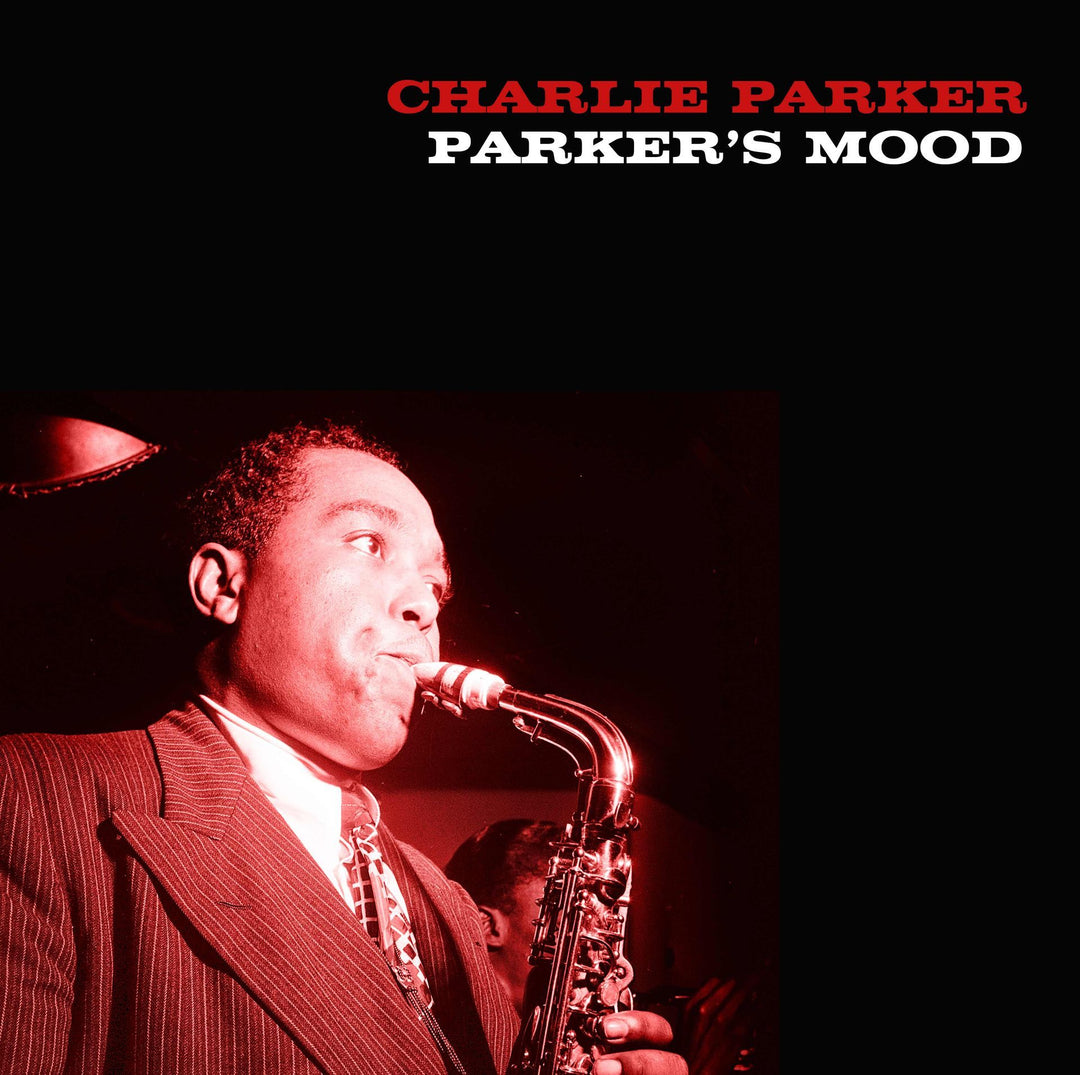
"Parker’s Mood" is a curated vinyl record paying homage to the genius of Charlie Parker, marking 70 years since his passing in 1955. Known as "Bird," Parker revolutionized jazz with his groundbreaking improvisation, intricate harmonies, and unmatched virtuosity. This commemorative collection brings together Parker's greatest hits, celebrating his journey through bebop, swing, and beyond. Audiophile sound with remastered recordings and housed in a stunning gatefold sleeve.
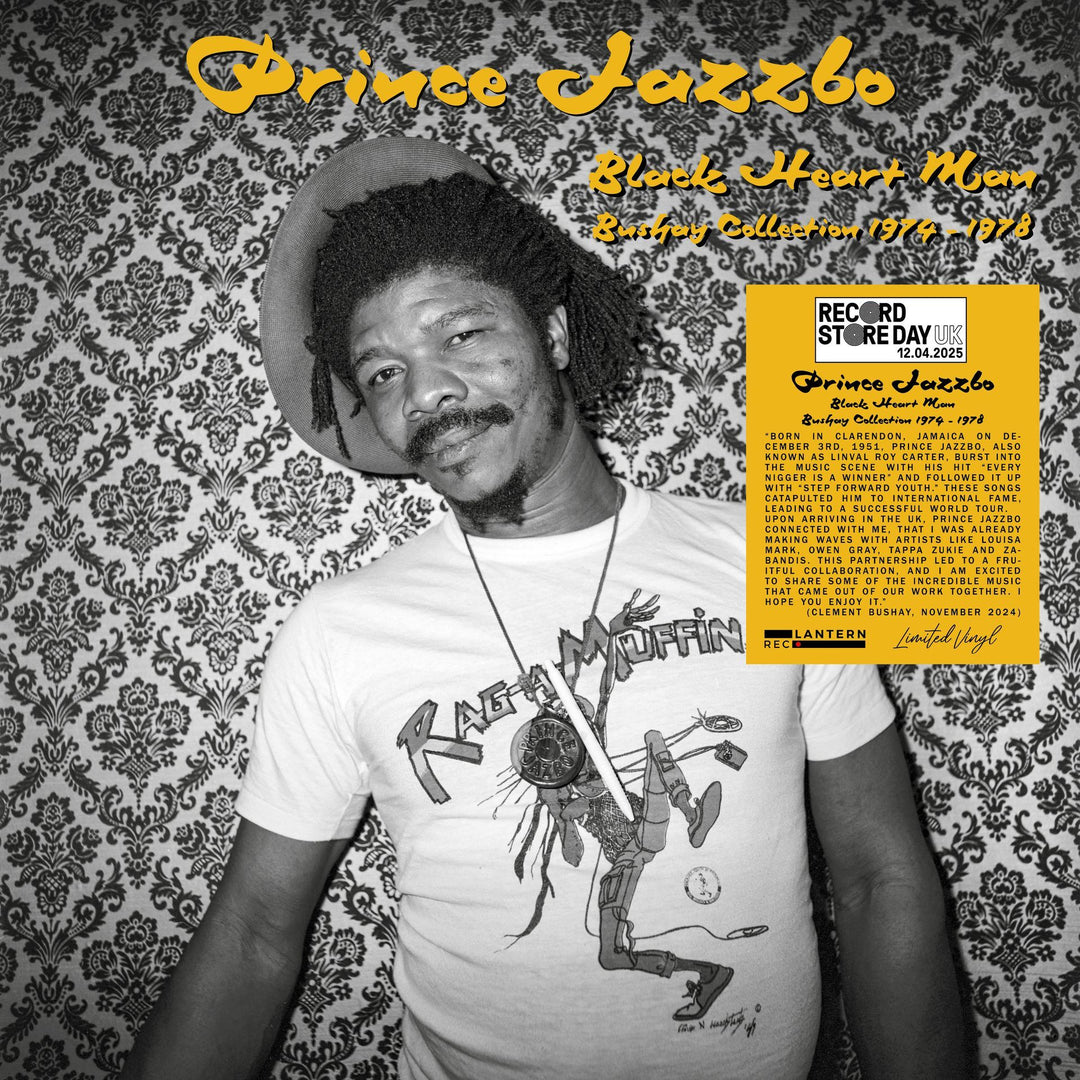
Exclusive collection of the Jamaican reggae singer and DJ. All the tracks are Clement Bushay productions from the years between 1974 and 1979 and never released on a single vinyl. Born in Clarendon, Jamaica on December 3rd, 1951, Prince Jazzbo, also known as Linval Roy Carter, burst into the music scene with his hit "Every Nigger is a Winner" and followed it up with "Step Forward Youth." These songs catapulted him to international fame, leading to a successful world tour.
"Upon arriving in the UK, Prince Jazzbo connected with me, that I was already making waves with artists like Louisa Mark, Owen Gray, Tappa Zukie and Zabandis. This partnership led to a fruitful collaboration, and I am excited to share some of the incredible music that came out of our work together. I hope you enjoy it.” (Clement Bushay, November 2024)


None of Miles Davis' recordings has been more shrouded in mystery than Jack Johnson, yet none has better fulfilled Davis' promise that he could form the "greatest rock band you ever heard." Containing only two tracks, the album was assembled out of no less than four recording sessions between February 18, 1970 and June 4, 1970, and was patched together by producer Teo Macero.

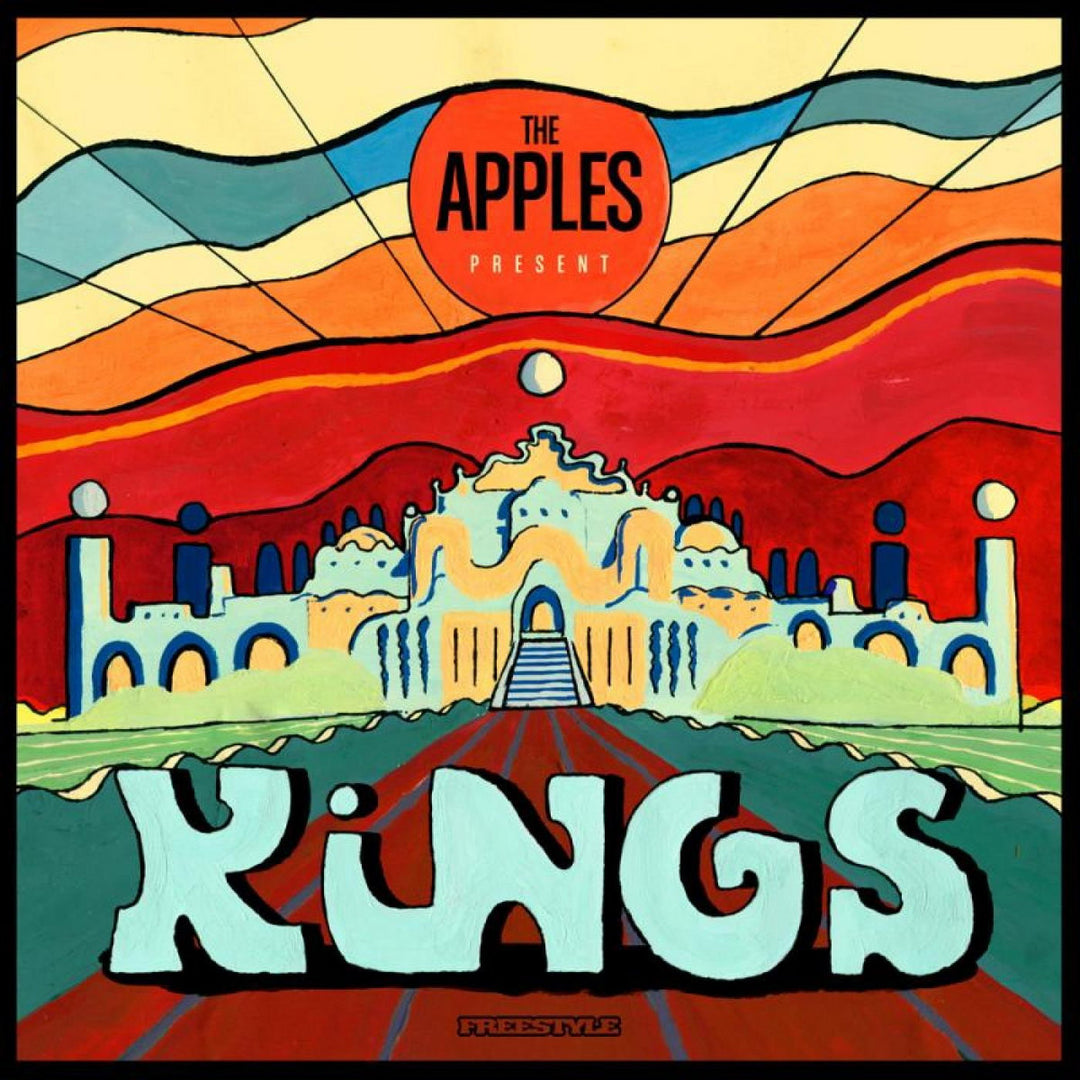


This album was inspired by the music coming out of Jamaica in the mid 1970s, in particular the use of drum machines by Lee Perry and Aston Family Man Barrett (and Sly Stone in the USA) but also the instrumentals and dubs by Keith Hudson and Im & Count Ossie etc. Searching out, buying and listening to those records had a deep and profound effect on me and became a big influence on me as a musician, which continues to this day.

Marcos' rapid and stunning artistic growth is apparent on this Bossa Nova classic. Fans of Sérgio Mendes and Astrud Gilberto (both of whom recorded tons of Valle's tunes) will enjoy it immensely, for Samba '68, with brilliant arrangements by Eumir Deodato, is definitely one of the ultimate "loungey" records. The album received a 4 1/2 star rating on AllMusic,with reviewer John Bush stating that "Samba'68 is a vibrant set of Brazilian pop, indebted to bossa nova and samba but undeniably Americanised for a domestic audience. The result is a joyous album throughout. One of the best Brazilian crossovers of the 1960s."

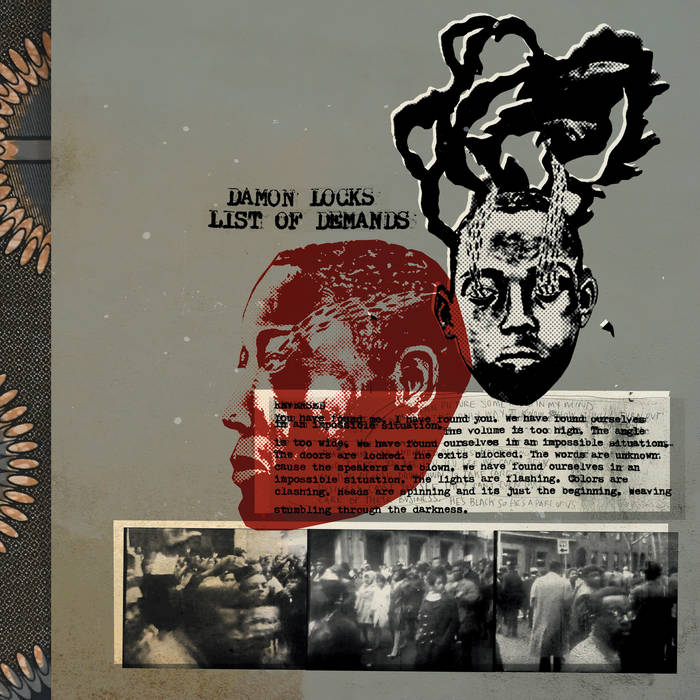
List of Demands, Damon Locks' first foray into creating an entire album from spoken and text-based work, finds the Chicago-based musician and educator collecting cultural abstractions and reorganizing them into a firm truth. The album lays out a vision of Black liberation and transmits it outward as a song cycle of bite-sized.

Recorded in the 1980's and snapped up upon arrival in Europe by the Soho Boho's, Acid Jazzuals,Cuboppers, Jazz Massivists and Mojo Jazzmuziker, "Le-Le" by The Arpeggio Jazz Ensemble is a unique one off Spiritual Soul-Jazz outing with Avant Garde touches and more than a hint of Afro-Cuban Orientalism.


This 25th anniversary commemorative reissue of The Dining Rooms' debut album "Subterranean Modern Volume Uno" is an essential release of an album that has become a true classic of instrumental cinematic hip hop through the years, the very first step in a constant evolution of a unique music style conceived by Stefano Ghittoni and Cesare Malfatti.




Sale
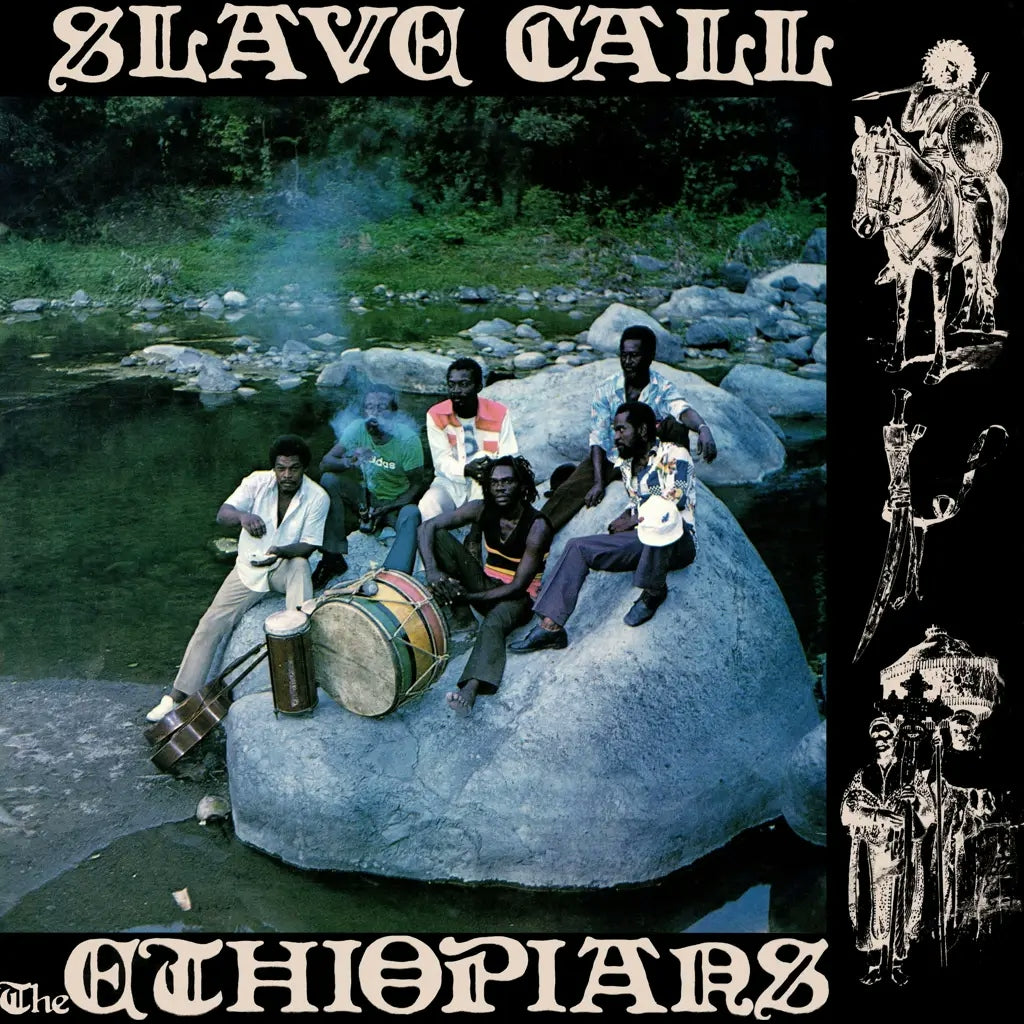
Deep Nyabinghi drumming and chanting on a version of the Ethiopian national anthem gets things underway on Slave Call, a majestic journey through the spiritual roots of reggae. Later songs add guitars, bass, keyboards, and horns to build a more standard reggae sound on that foundation, but there’s always a dignified restraint and the profundity of the nyabinghi beat. the entire album revolves around Leonard Dillon’s Rastafarian beliefs, with even the cover of the Beatles’ “Let It Be” rewritten to a religious end.
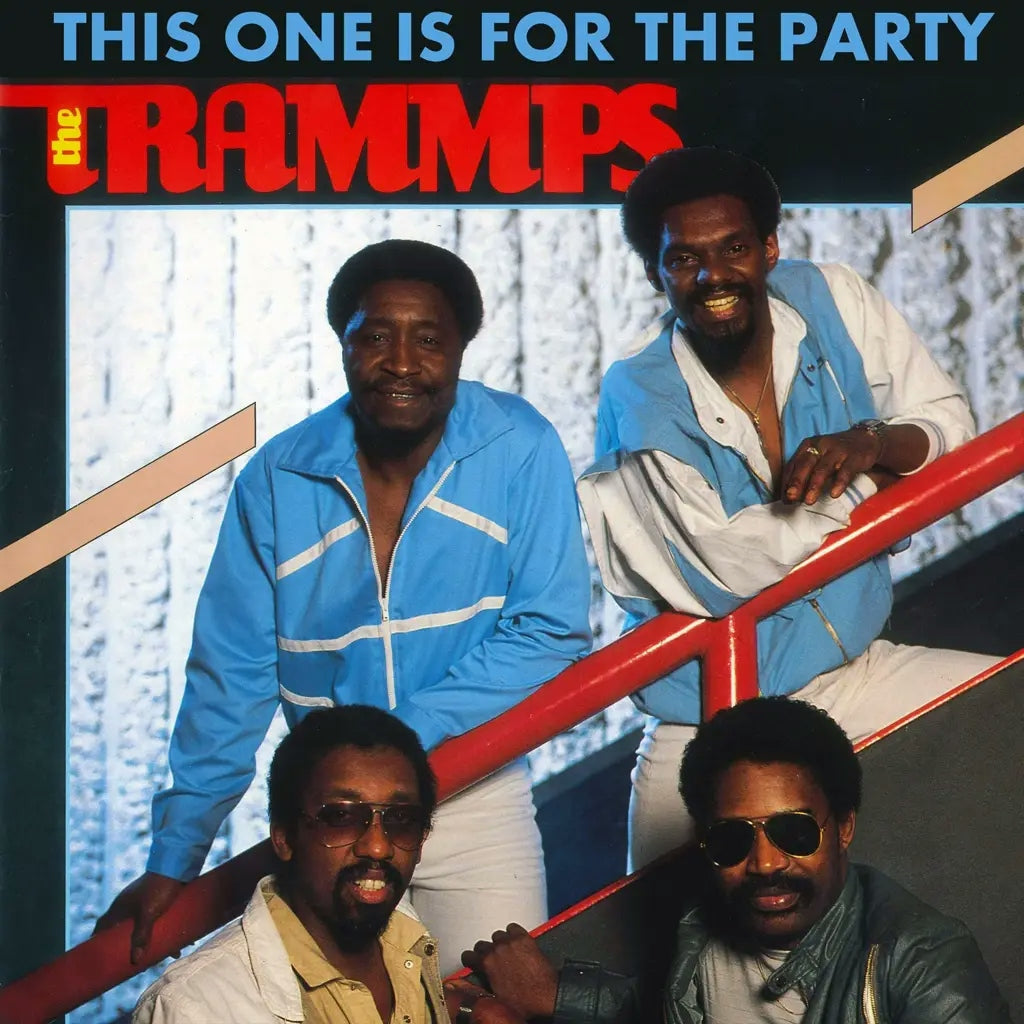
Trammps, originally released in 1984. The Trammps, hailing from Philadelphia, were a prominent fixture in the disco scene of the 1970s. Consisting of Earl Young, Harold Wade, Jimmy Ellis, Robert Upchurch, and Stanley Wade, they were known for their infectious grooves and energetic live performances. The Trammps earned their place in music history with hits like “Disco Inferno” and “Hold Back the Night”, but also “Shout” and “Move” became disco classics.
Sale



Sale


Sale
Sale

Sale

Sale

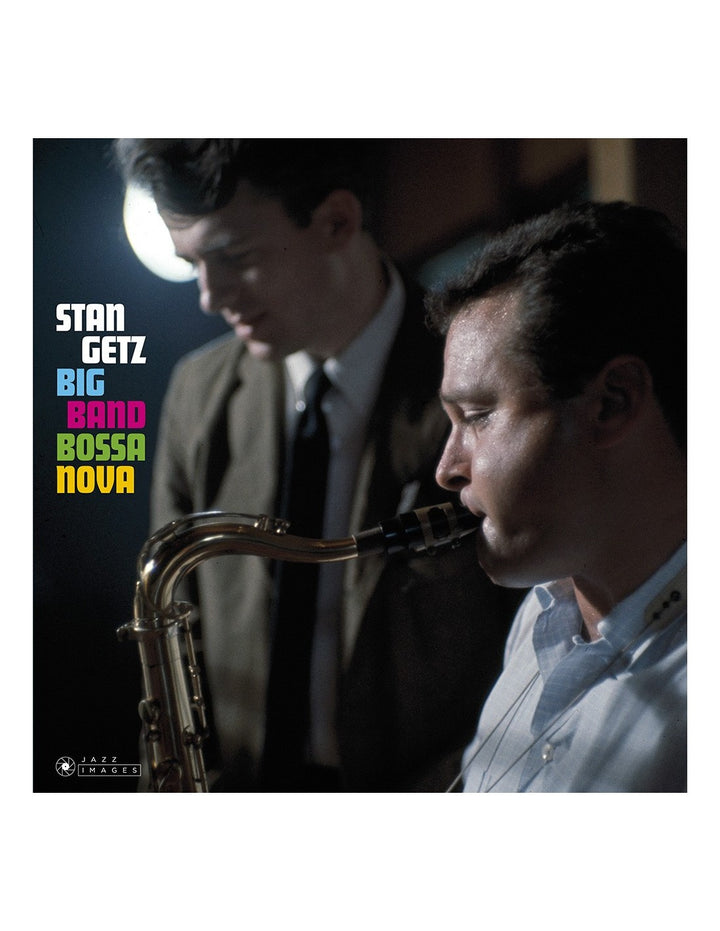
The 1953 Bud Shank/Laurindo Almeida recordings are recognized as being the precursors of bossa nova-jazz fusion. However, two 1962 Stan Getz LPs, Jazz Samba and Big Band Bossa Nova (presented here), and the albums that followed them in 1963, Jazz Samba Encore and Getz-Gilberto, would start the bossa nova craze.